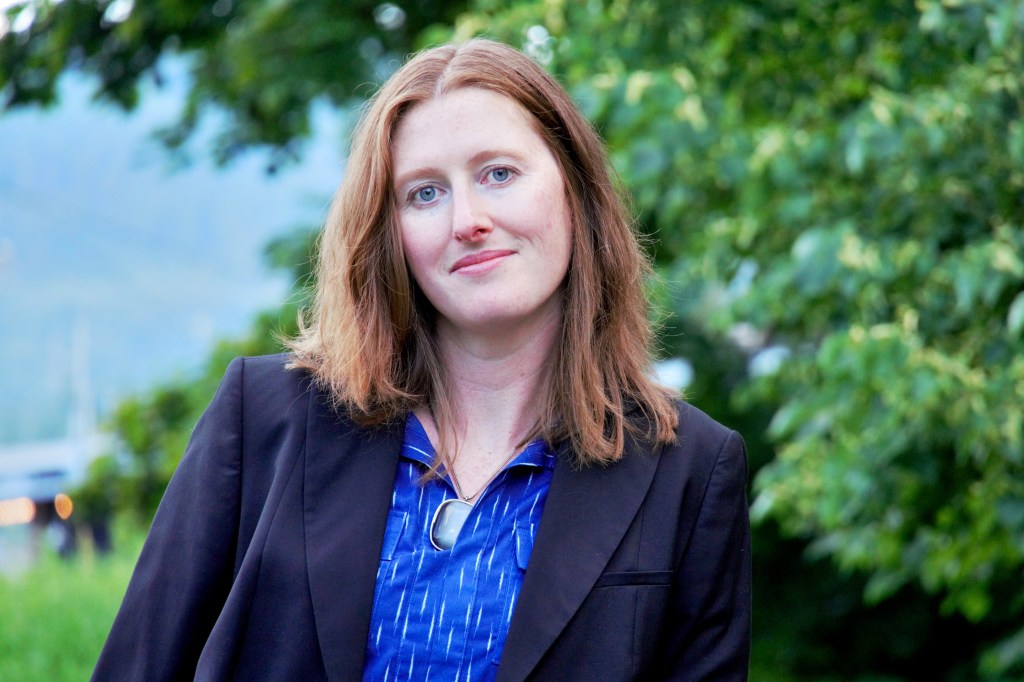
Tara Howse has been in the rural development field nearly 20 years. She specializes in applying intersectional analyses, particularly related to gender equity and Indigenous-settler colonizer relations. A social sciences researcher, she is a natural problem solver that focuses on community-based and localized solutions to address the problem at hand.
Tara’s education includes a Bachelor’s in criminal justice and a Master’s in Interdisciplinary Studies with a dual focus in Global Change and Equity Studies. For her Master’s, her research asked how gender and Indigeneity impact trust in the social licence within the resource extraction industry. This work earned her a nomination to the Governor General Gold Medal Award (2021), an Emerging Rural Scholar Award (2021), and an Emerging Scholar Award (2019). Tara has additional certificates and training that span Crime Prevention Through Environmental Design (CPTED), Community Economic Development, and Appreciative Inquiry methodology.
As rural community economic development is an interdisciplinary field, her work is similarly broad and embraces both quantitative and qualitative data sources. Tara draws on experts and learnings across multiple fields of study with a lens to inclusivity and representation. Research and projects have involved women’s economic security, active transportation, Indigenous and settler colonizer understandings, resource extraction projects and impacts, economic investment, a variety of aspects related to housing, and First Nations experience in housing and mental health. This experience has allowed her to work will all levels of government, the business sector, and the non-profit sector. Simultaneously, it has given her ample public speaking and presentation experience to a wide variety of audiences.
An active volunteer, she has been a girl’s hockey coach, curling club board ember, film fest volunteer, and has founded two climate action organizations. She has served in leadership positions with her municipality on the Sustainability Commission and the Advisory Committee for the Official Community Plan update process. Her work on intersectional feminism has garnered invitations on federal advisory panels, an appointment on a national sustainability institute, and has attended the United Nations Commission on the Status of Women. She presently sits on the Board of Directors for the Canadian Research Institute for the Advancement of Women as a Data Advisory Group member with the Gender and Environment Data Alliance.
 Howse Business Solutions